

What does the new SB 686 legislation mean to your agricultural lands legacy? For decades, the path for a Florida rancher was relatively clear: you either kept the land in the family for grazing, or you entered the long, expensive, politically charged process of local zoning battles and comprehensive plan amendments if development became the end game.
But as of July 1, 2026, that landscape has shifted beneath your boots.
The passing of Senate Bill 686 (SB 686) has opened a high-speed lane for converting certain agricultural land to residential or commercial use with less local friction. For many people in Florida’s environmental and agricultural communities, that is not an exciting reform. It is a deeply troubling signal that the state is making it easier to accelerate the loss of remaining working lands and natural areas to sprawl.
But there is a catch. If your land is already under a recorded conservation easement, you are legally barred from this new process.
So what does that mean for you? If you own qualifying farmland, this is no longer just a technical permitting question. It is a high-stakes decision about whether to cash out into development pressure or commit to a long-term conservation path that protects the land’s agricultural and ecological future. Let’s break down the mechanics of this new law and how it affects your long-term strategy.
What is SB 686? The 90-Day “Default Approval”
Commonly referred to as the Agricultural Enclave law, SB 686 is designed to unlock “stranded” agricultural land: parcels that have been slowly surrounded by suburban sprawl but remain “stuck” in agricultural zoning.
The law creates a streamlined certification process that is remarkably aggressive. Here is the “how” of the legal process:
- Eligibility: Your land must be unincorporated, undeveloped, under single ownership, and at least 75% surrounded by existing development.
- Population Cap: This only applies in Florida counties with a population of 1.75 million or less.
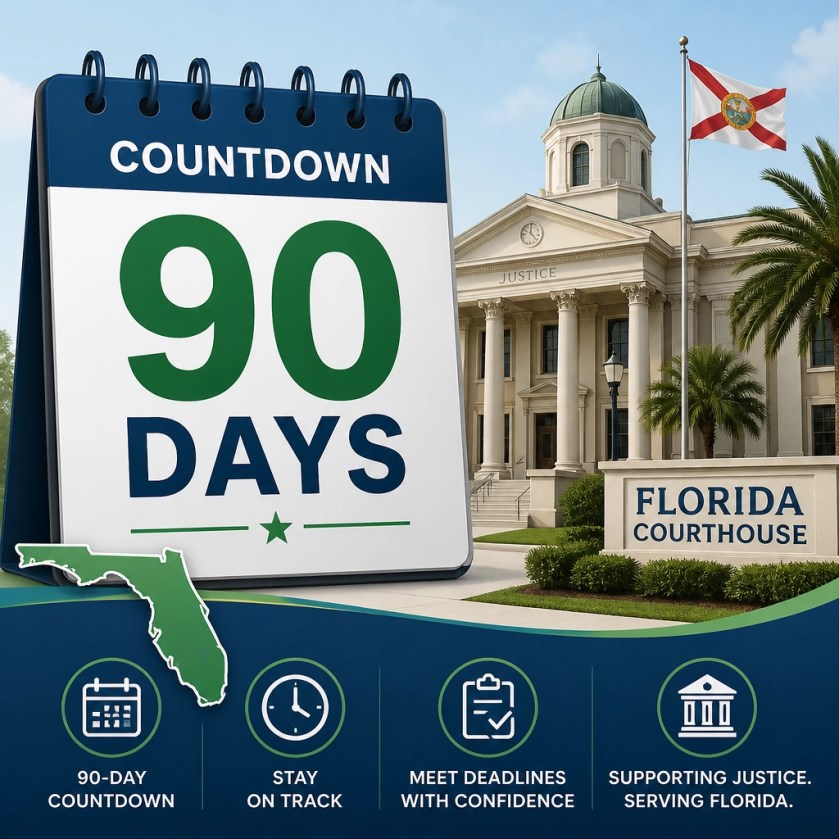
- The 90-Day Rule: Once you apply for “Agricultural Enclave” certification, the local government has a ticking clock. If they do not approve or deny your application within 90 days, your land is automatically certified by operation of law.
Once certified, your development plans for single-family homes or commercial use must be treated as a conforming use, regardless of what the local comprehensive plan says. That does not necessarily mean power has suddenly shifted to grassroots landowners in some simple, democratic sense. In many parts of Florida, large development interests already exert enormous influence over local planning dynamics, and aggressive land offers can put generational farm families under real pressure to sell. In practice, many critics see SB 686 less as farmer empowerment and more as a fast-track tool for development interests.
The Conservation Easement Exclusion: A Strategic Choice
While SB 686 offers a path to rapid development, it comes with a strict “either-or” ultimatum. The law explicitly excludes any parcel with a recorded conservation easement.
This means that if you have already committed to a program like the NRCS Agricultural Conservation Easement Program (ACEP) or a state-level rural land protection easement, you cannot use SB 686 to change your mind and develop.
Why does this matter right now?
The law sunsets on January 1, 2028. That creates a very specific window in which landowners may feel intense pressure to pursue a maximum-density development path while the fast-track option is still available. That is different from saying they must decide on a conservation easement before the sunset date. This is not just a spreadsheet exercise. For many families, it is a philosophical and generational decision about whether the land remains part of Florida’s working landscape or becomes another piece of the state’s ongoing conversion from farms and habitat into rooftops, roads, and commercial corridors.
The Biology: What Looks “Vacant” Often Isn’t
From a development map, a field can look like blank space waiting for its next use. From an ecological perspective, that same field may be a functioning habitat network supporting species above ground and below ground, while also helping protect groundwater recharge and air quality in a rapidly changing landscape.
Take the Gopher Tortoise, for example. We often describe a tortoise burrow as an underground apartment complex. A single burrow can host over 350 “roommates,” including the Eastern indigo snake, the gopher frog, and various insects.
If you choose the SB 686 development path, these ecological realities don’t disappear: they just become regulatory hurdles. You will still need to navigate incidental take permits (legal permission to disturb a protected species), wetland permitting, and potentially expensive mitigation (buying credits, restoring impacted areas, or setting aside land elsewhere to offset the damage).
Navigating these requirements is where projects often stall. Whether you are following the Florida Scrub-Jay permitting process, dealing with tortoise relocation, or addressing wetland impacts, the “fast-track” of SB 686 only covers the zoning; it doesn’t bypass federal and state wildlife laws or wetland regulations.
Weighing the Options: Development vs. Conservation
For many Florida ranchers, the decision is not just about the immediate check. It is about the Bottom Line of the land’s legacy and whether one more piece of Florida’s agricultural base disappears under development pressure.
Option A: The SB 686 Development Route
- Pros: Potentially high immediate land value; a faster path through local land-use barriers; an 18-month certification window for qualifying properties.
- Cons: Permanent loss of working agricultural land; potential loss of natural habitat; complex environmental mitigation costs; intense infrastructure requirements (water, sewage, roads); and the reality that once land is converted, it is rarely converted back.
Option B: The Conservation Easement Route (ALE/WRE)
- Pros: Significant cash payments from programs like NRCS Agricultural Land Easements (ALE); continued ranching or agricultural use; permanent protection of the land’s conservation values; enhanced ecosystem management benefits.
- Cons: The land is protected in perpetuity; you give up the ability to sell for high-density residential development later.
This is not a clean “win-win” decision. It can never make everyone happy. For some families, development value may be impossible to ignore. For others, the combination of easement proceeds, operational continuity, and the chance to keep the land intact is the more responsible long-term choice. Either way, the shrinking supply of Florida agricultural land should be part of the analysis, not treated as background noise.
Your Step-by-Step Action Plan
The clock is ticking on SB 686. Here is how you should approach the next few months:
- Determine Eligibility: Check if your property meets the “75% surrounded” criteria and if your county is under the 1.75 million population cap.
- Audit Your Title: Ensure there are no old, recorded easements that might disqualify you from SB 686 certification.
- Conduct a Preliminary Survey: Before you apply for development certification, know what’s on your land. Are there listed species, wetlands, or other ecological constraints that will trigger permitting delays or high mitigation costs?
- Compare Appraisals: Look at the potential value of a conservation easement payment versus the post-certification development value.
Important to Note: The Risk of Delay
Local governments are not always thrilled with SB 686, as it strips them of their usual control over growth. You can expect vigorous scrutiny of your application. If your paperwork isn’t perfect, a denial could land you in a 30-day window for judicial review, potentially dragging your project past the 2028 sunset date.
Planning ahead is not just a suggestion: it is a legal necessity.

How Natural Resources Associates Can Help
At Natural Resources Associates, we specialize in the unique ecology and regulatory landscape of central and southern Florida. We understand that decisions about SB 686 are not abstract. They can affect your family, your operation, and the future of the land itself.
If you are trying to understand whether a property qualifies under the Agricultural Enclave framework, or whether a Conservation Easement better protects your long-term goals, we can help you evaluate the biological constraints, permitting risks, and practical consequences of each path. We conduct wildlife surveys, help clients navigate state and federal permitting, and provide plain-English guidance so you can make an informed decision before timelines and pressure narrow your options.
Don’t let the July 2026 rules catch you off guard. Contact us today to evaluate your property and build a strategy that reflects both regulatory reality and the long-term future of Florida’s working lands.